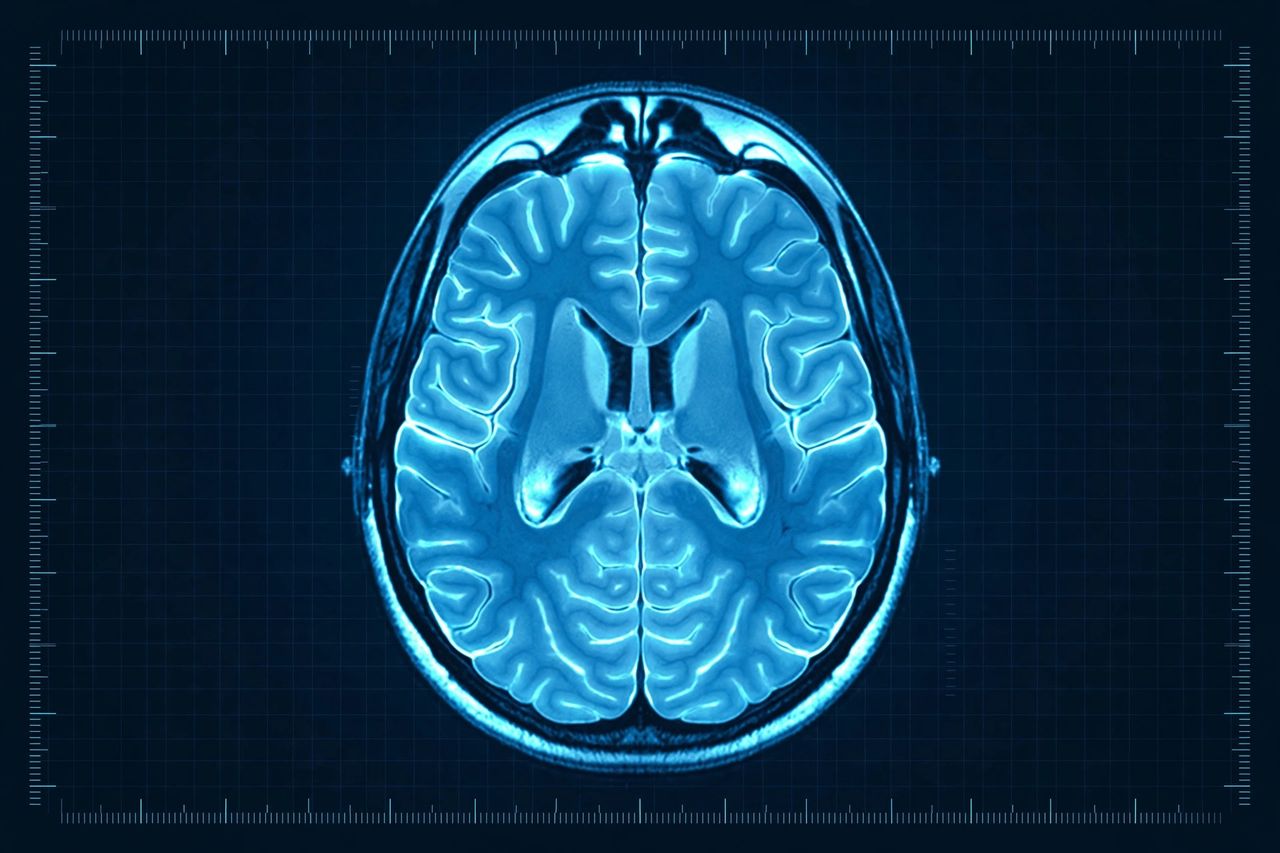
When a crash, a fall, or someone else’s carelessness injures the brain, life can change in ways no scan fully shows: memory, mood, work, even personality. I am Ryan Alexander, a Las Vegas brain injury lawyer. My team and I help survivors and their families get the care, the documentation, and the compensation they need to rebuild.
Judgment won in a brain injury case, the kind of injury this site is about
Recovered for injury clients across Nevada
Clients served by this practice
Every case is different. Past results do not guarantee a similar outcome in your case.
Many brain injuries look minor at first. The person walks away, the CT scan at the hospital comes back normal, and everyone hopes for the best. Then the headaches start, words go missing mid-sentence, sleep falls apart, and a spouse quietly says: he is just not himself.
Brain injury symptoms can appear or grow over hours and days, not just minutes. Warning signs worth a prompt medical visit include:

If any of this sounds familiar, get checked by a doctor who takes it seriously, and write down what you notice, day by day. Those notes matter for your health, and they matter for your claim. Our Brain Injury Guide explains the types, symptoms, and treatments in plain language.

TBI-related hospitalizations in the U.S. in 2020, more than 586 every day
TBI-related deaths in the U.S. in 2021, about 190 every day
Americans living with a disability related to a brain injury
of TBIs are concussions or other “mild” injuries, and even those can upend a life
Sources: Centers for Disease Control and Prevention (CDC), traumatic brain injury data; Brain Injury Association of America. Figures are national; they do not count the many brain injuries treated only in emergency rooms, clinics, or never treated at all.
“Brain injury” is an umbrella, not a single diagnosis. What happened inside the skull shapes the symptoms, the treatment, and the recovery. Start here, then read the full guide.
The most common brain injury, and the most commonly dismissed. “Mild” describes the first hours, not always the months that follow.
Read in the guide →
A bruise on the brain itself, often where the brain strikes the inside of the skull. Larger contusions can swell and need close monitoring.
Read in the guide →
Tearing of the brain’s connecting nerve fibers in a violent rotation or shaking. A leading cause of coma, and often invisible on a first scan.
Read in the guide →
Injury at the point of impact and on the opposite side, as the brain rebounds inside the skull. Common in high-speed crashes.
Read in the guide →
An object pierces the skull and enters the brain. Among the most severe injuries, and a surgical emergency.
Read in the guide →
Blood collecting in or around the brain, including epidural and subdural hematomas. Pressure can build hours after the injury.
Read in the guide →
A broken bone shows up on an X-ray and heals on a schedule. A brain injury is harder, for the survivor and for the case.
You can look fine and still be struggling. Standard scans can come back normal even with a real injury, so the case is won or lost on careful documentation: symptom journals, family observations, and proper testing over time.
Therapy, cognitive rehabilitation, medication, in-home help, lost earning capacity: the bills of a serious brain injury stretch across decades. Settling before the long-term picture is clear can leave a family paying for someone else’s mistake.
“Just a concussion” is a phrase we hear from adjusters, usually alongside a quick, low offer made before the prognosis is known. Once you sign a release, it cannot be undone, even if symptoms get worse.
Our job is to carry the legal weight so you and your family can focus on recovery.
Your free evaluation is a conversation, not a sales pitch. Family members are welcome on the call, because in brain injury cases the family often sees the changes first. Ryan speaks Spanish, and so does his team.
We gather records, track symptoms as they develop, and work with your treating providers and specialists so the full picture of the injury is documented, not just the ER visit.
For serious injuries we work with life-care planners and medical experts to cost out the care, therapy, and support you will need over a lifetime, and we fight for that full amount. You pay no fee unless we win.
Want the details behind the medicine? Read our Brain Injury Guide, or learn more about Ryan.

Ryan Alexander is a Harvard Law graduate who has spent his career on the side of injured people, and who won a $26.5 million judgment in a brain injury case. His clients’ reviews return to the same themes: professionalism, communication, and dedication through the whole process. He speaks fluent Spanish, he returns calls, and his door is open to families across the Las Vegas valley.
Real reviews from the firm’s Google profile. On Google, the firm holds a 4.9-star rating from more than 1,000 reviews.
Average rating · 1,000+ Google reviews
Short, honest answers. For your specific situation, call and ask. It costs nothing.
Get medical care, and keep getting it. Follow up with your doctors, report every symptom even if it seems small, and start a simple daily journal of symptoms and changes. Then call us before you talk settlement with any insurance company.
Yes. CT scans rule out bleeding and emergencies, but concussions and diffuse axonal injuries often do not show on a standard scan. Symptoms, follow-up testing, and neuropsychological evaluation can reveal what the first scan could not.
Nevada generally allows two years from the injury to file a personal injury lawsuit (NRS 11.190), and missing the deadline can end a claim entirely. Some situations change the timeline, so the safest move is to ask a lawyer early, while records and memories are fresh.
The evaluation is free, and cases are handled on a contingency basis: you pay no fee unless we win your case. We explain the arrangement in plain language before you sign anything.
“Mild” is a medical category for the injury’s first presentation, not a promise about recovery. Some concussions resolve in weeks; others affect memory, mood, and work for a year or more. Do not accept a settlement until the medical picture is clear, and let us handle the insurer in the meantime.
Absolutely, and with brain injuries it happens often. A spouse, parent, or adult child can make the first call, join the conversation, and help with the details. Ryan also speaks fluent Spanish, so your family can speak in the language they think in.