A note before you read on: this page is general information about brain injuries, written to help families understand what they are dealing with. It is not medical advice, and it is no substitute for your doctors. If symptoms are new, worsening, or frightening, get medical care first and read later.
On this page
What a traumatic brain injury is
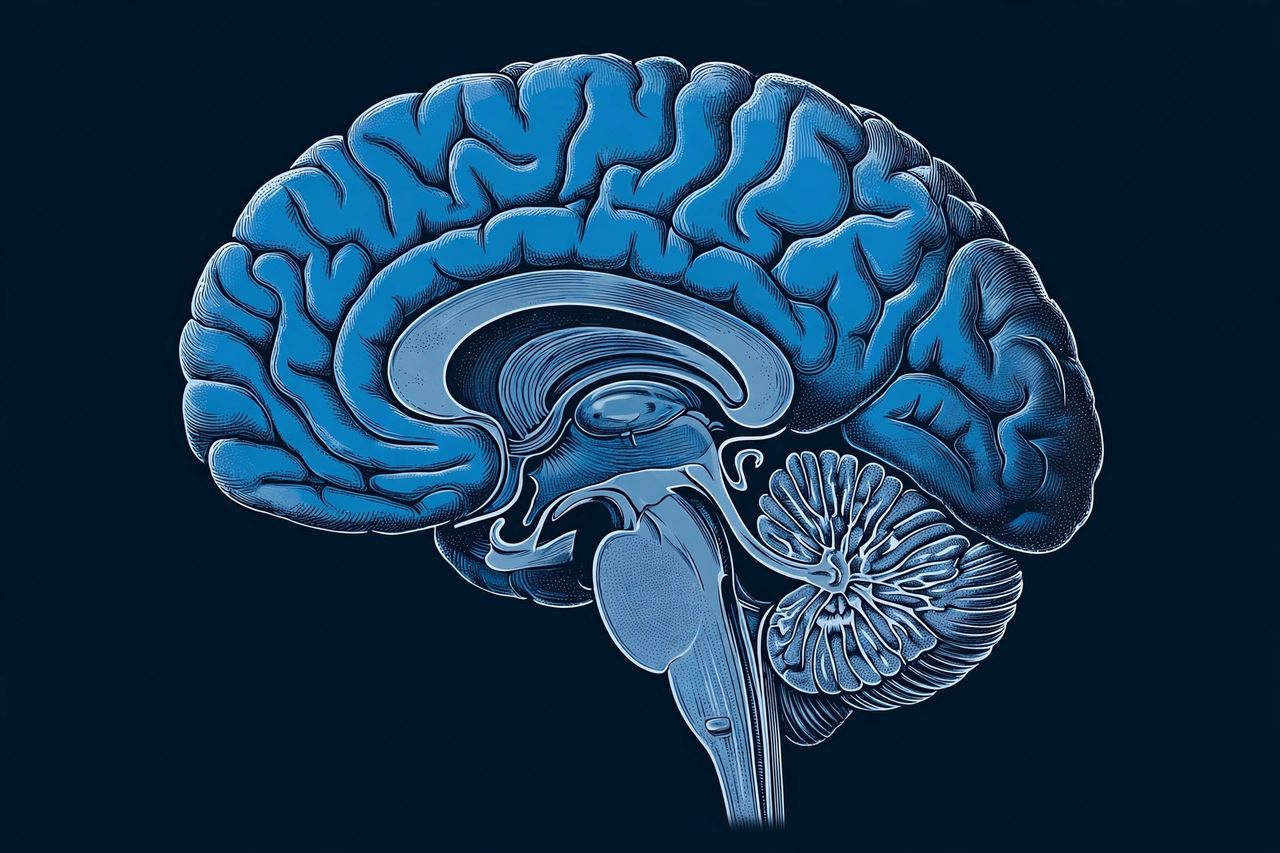
A traumatic brain injury (TBI) is an injury that disrupts how the brain works. It happens when a blow, jolt, or penetrating object damages the brain, or when the head moves so violently that the brain shifts inside the skull. The CDC describes a TBI simply as an injury that affects how the brain works, and the effects can touch everything the brain does: thinking, memory, movement, sensation, emotions, and behavior.
A TBI is different from a brain condition someone is born with, and different from damage caused by illness. Doctors also use the broader term “acquired brain injury” for harm from strokes, tumors, or lack of oxygen. This guide focuses on traumatic injuries, the kind caused by crashes, falls, and violence, while noting where oxygen-related injury overlaps.
One honest starting point: no two brain injuries are alike. Two people with the same label on a chart can have very different recoveries. What follows is the map, not the territory, and your medical team knows your territory.
How TBIs happen
According to the CDC, people most commonly get TBIs from a fall, a firearm-related injury, a motor vehicle crash, or an assault. Some patterns from the national data are worth knowing:
- Falls lead to nearly half of all TBI-related hospitalizations, and they are the cause families least expect. A fall at a casino, on a wet grocery floor, or down poorly lit stairs can change a life.
- Motor vehicle crashes are a leading cause of the most severe injuries we see in Las Vegas, particularly high-speed and rollover collisions on I-15, US-95, and the valley’s wide arterial roads.
- Adults 75 and older have the highest numbers and rates of TBI-related hospitalizations and deaths, accounting for about 32% of hospitalizations and 28% of deaths.
- Men are hospitalized for TBI at nearly twice the rate of women, and die from TBI at about three times the rate.
- Firearm-related suicide is the most common cause of TBI-related death in the United States. If someone you love is struggling, call or text 988 for the Suicide and Crisis Lifeline.
In 2020 there were approximately 214,110 TBI-related hospitalizations in the United States, and in 2021 approximately 69,473 TBI-related deaths, about 586 hospitalizations and 190 deaths every day. Those figures do not include the many injuries treated only in an emergency department or a clinic, or never treated at all.
Severity and the Glasgow Coma Scale
Early on, medical teams grade a brain injury with the Glasgow Coma Scale (GCS), a 3-to-15 score based on eye opening, verbal response, and motor response. It is usually measured in the first hours, and it helps teams triage care and families understand the starting point.
| Classification | GCS score | Typical picture |
|---|---|---|
| Mild TBI (including concussion) | 13–15 | Brief or no loss of consciousness; confusion, headache, dizziness; imaging often normal |
| Moderate TBI | 9–12 | Loss of consciousness from minutes to hours; clear cognitive and physical symptoms; imaging often abnormal |
| Severe TBI | 3–8 | Extended unconsciousness or coma; intensive care; long rehabilitation ahead |
Two cautions about the word “mild.” First, it describes the initial presentation, not the outcome: about 75% of TBIs are classified mild, yet a share of those people have symptoms that last a year or more. Second, a normal early score does not rule out bleeding or swelling that develops later, which is why discharge instructions and follow-up matter so much.
Types of brain injury
Concussion and mild TBI
A concussion is a mild TBI caused by a bump, blow, or jolt that makes the brain move rapidly inside the skull, triggering a cascade of chemical changes and sometimes stretching nerve cells. Most concussions resolve within a few weeks with rest and a gradual return to activity, but repeated concussions and short-cuts in recovery raise the risk of lasting problems. Symptoms are listed in the symptoms section below.
Contusion
A contusion is a bruise on the brain tissue itself, most often on the underside of the frontal and temporal lobes where the brain sits against ridges of bone inside the skull. Small contusions may heal with monitoring; larger ones can swell or bleed further over the first day or two, which is why hospitals often repeat scans and watch these patients closely.
Diffuse axonal injury (DAI)
Axons are the long fibers that connect brain cells. In a violent rotation or rapid deceleration, like a high-speed crash, those fibers can stretch and tear across wide areas of the brain. DAI is one of the most serious TBIs and a common cause of coma and lasting disability. Because the damage is microscopic and spread out, a standard CT can look deceptively normal; MRI is more sensitive to it.
Coup-contrecoup injury
When the head strikes something, or is struck, the brain can be injured twice: at the site of impact (coup) and on the opposite side as it rebounds (contrecoup). The result is often a pair of contusions in line with each other, and symptoms that reflect two areas of the brain at once.
Penetrating injury
When an object pierces the skull and enters the brain, from a projectile, a fall onto a sharp object, or debris in a crash, the injury follows the object’s path and carries a high risk of infection and swelling. These are surgical emergencies with among the most severe outcomes.
Hematomas: bleeding in and around the brain
A hematoma is a collection of blood that presses on the brain. An epidural hematoma collects between the skull and the dura, the brain’s tough outer covering; it often follows a skull fracture and can expand fast, sometimes after a deceptive “lucid interval” where the person seems fine. A subdural hematoma collects under the dura from torn veins; it can appear immediately or build slowly over days to weeks, especially in older adults. Both can require emergency surgery, and both are reasons a person can look okay at the scene and be in danger that night.
Second impact syndrome
If a person takes a second head impact before a first concussion has healed, the brain can swell catastrophically. It is rare, most often discussed in young athletes, and it is the reason return-to-play and return-to-work decisions after a concussion should never be rushed.
Anoxic and hypoxic injury
The brain needs a constant supply of oxygen. When oxygen is cut off entirely (anoxic) or reduced (hypoxic), for example during a near-drowning, a cardiac event at the scene of a crash, or a blocked airway, brain cells begin to die within minutes. These injuries often accompany traumatic ones and can dominate the recovery picture.
Symptoms, including delayed ones
Symptoms vary with the area and severity of injury, and they do not always arrive together. Families are often the first to notice the emotional and personality changes. Common symptoms, by area:
Physical
Headache, dizziness, balance problems, nausea or vomiting, fatigue, blurred or double vision, ringing in the ears, sensitivity to light and noise, slurred speech, weakness or clumsiness.
Cognitive
Forgetfulness, trouble concentrating, feeling “foggy” or slowed down, losing the thread of conversations, difficulty finding words, trouble planning or finishing tasks.
Emotional & behavioral
Irritability, anxiety, depression, mood swings, tearfulness, loss of patience, apathy, or a personality that family members describe as “not himself” or “not herself.”
Sleep
Sleeping much more or much less than usual, trouble falling asleep, or waking unrefreshed. Poor sleep also slows every other part of recovery.
Delayed symptoms are real. Adrenaline, shock, and the brain’s own chemistry can mask an injury for hours or days, and slow bleeding can take time to declare itself. A person discharged from the ER can deteriorate at home. Treat new or worsening symptoms in the first days as a medical problem first, and tell your doctors about all of them, because your records will later tell the story of the injury.
Call 911 or go to the emergency room now for:
- A headache that gets worse and will not stop
- Repeated vomiting, seizures, or convulsions
- One pupil larger than the other, or clear fluid from the nose or ears
- Slurred speech, weakness, numbness, or loss of coordination
- Unusual behavior, growing confusion, or inability to wake up
How a TBI is diagnosed
Diagnosis starts with the history and a neurological exam, including the GCS score above. Imaging follows: a CT scan is the fast first look for bleeding, fractures, and swelling that may need surgery. An MRI gives a far more detailed picture and can show injuries CT misses, including diffuse axonal injury and small contusions, so it is often ordered in the days after or during follow-up.
For the symptoms scans cannot measure, neuropsychological testing is the key tool: structured testing of memory, attention, processing speed, language, and executive function, compared against expected performance. It documents cognitive deficits in a way that helps doctors plan rehabilitation and helps everyone, family, employers, and yes, insurers, understand what the injury actually did.

If you take one practical lesson from this guide: go to follow-up appointments, report symptoms honestly and completely, and keep copies of everything. The paper trail is a medical tool, and later it becomes the evidence.
Treatment and rehabilitation
Acute treatment focuses on protecting the brain from secondary injury: keeping oxygen and blood flow steady, controlling swelling and pressure inside the skull, treating bleeding (sometimes with surgery), and preventing seizures and infection. Severe injuries may involve induced coma, ventilators, and weeks in intensive care. None of this is the family’s job to manage; it is listed here so the hospital days make a little more sense.
Rehabilitation is where long-term recovery is built, and it is often a team:
- Inpatient rehabilitation in a dedicated unit for those who can tolerate intensive daily therapy
- Physical therapy for strength, balance, walking, and coordination
- Occupational therapy for the skills of daily life: dressing, cooking, driving readiness, returning to work
- Speech-language therapy for communication, swallowing, and cognitive skills like memory and problem-solving
- Cognitive rehabilitation and neuropsychology for attention, memory strategies, and emotional adjustment
- Counseling and support for the survivor and for caregivers, whose load is real and often invisible
For concussions, treatment usually means a short period of relative rest followed by a gradual, guided return to school, work, and activity, plus targeted treatment for headaches, dizziness, vision problems, and sleep. Prolonged total isolation in a dark room is no longer the standard advice; your doctor will pace it.
Long-term effects and life-care needs
An estimated 5.3 million Americans live with a disability related to a brain injury. Long-term effects can include ongoing cognitive limits, chronic headaches, epilepsy, sleep disorders, hormonal problems from pituitary damage, depression and anxiety, and increased risk of neurodegenerative disease. Moderate and severe injuries can mean supervised living, in-home aides, lifelong therapy, and a working life cut short.
This is why serious cases are built around a life-care plan: a specialist’s itemized projection of the medical care, therapy, equipment, assistance, and support a person will need across their lifetime, and what it will cost. A settlement or verdict has to fund that plan, not just the bills that have arrived so far. It is also why settling in the first weeks, before anyone knows the trajectory, is so dangerous for families.
An honest word about recovery
Recovery varies enormously, and anyone who promises you a timeline is guessing. Many mild TBIs resolve within days to weeks, and most people with a concussion are back to full functioning within about three months. Moderate and severe injuries recover on a scale of months to years, with the fastest gains usually in the first six months and slower, real gains possible well beyond that. Some deficits are permanent, and the goal of rehabilitation shifts to adaptation and quality of life.
What is consistently true: early treatment, good rehabilitation, sleep, family support, and not rushing back to full load all help. So does patience with the person who is healing, including from that person. If you are reading this at 2 a.m. because your spouse is not the person who left for work last month, you are not alone in that, and help exists on both the medical and the legal side.
When to call a lawyer, and Nevada specifics
Call a lawyer when someone else’s negligence may have caused the injury: a crash, a fall on unsafe property, an assault in a place that should have been secure. You do not need to be sure. Knowing costs nothing, and the early weeks are when evidence disappears, camera footage is overwritten, and insurers call asking for recorded statements.
- Deadline: Nevada generally gives you two years from the date of injury to file a personal injury lawsuit (NRS 11.190). Claims involving government entities and some other situations run on shorter clocks, and waiting can also lose evidence, so treat “two years” as an outer limit, not a plan.
- Shared fault: under Nevada’s comparative negligence law (NRS 41.141), you can still recover compensation as long as your share of fault is 50% or less; your recovery is reduced by your percentage of fault.
- Documentation wins cases: consistent medical records, symptom journals, neuropsychological testing, and family observations are what turn an “invisible” injury into a proven one.
- Cost: our evaluation is free, and we handle cases on contingency: no fee unless we win. Ryan speaks fluent Spanish, and family members are welcome in every conversation.
Call (702) 333-8888 or start with our free consultation page to see exactly what a first call looks like. To learn who you would be working with, read about Ryan.
Data on this page: Centers for Disease Control and Prevention (CDC), traumatic brain injury data and “Facts About TBI,” cdc.gov/traumatic-brain-injury; Brain Injury Association of America, biausa.org. Medical content is general information only, not medical advice.